If you have only ever had Lapsang Souchong from a teabag at a hotel breakfast bar, you have not really had it. Most supermarket Lapsang is fannings (broken leaf dust) flavoured with smoke essence — a faint cousin of the real thing. Buying well is not complicated; it comes down to four checks.
1. Loose leaf, whole leaf
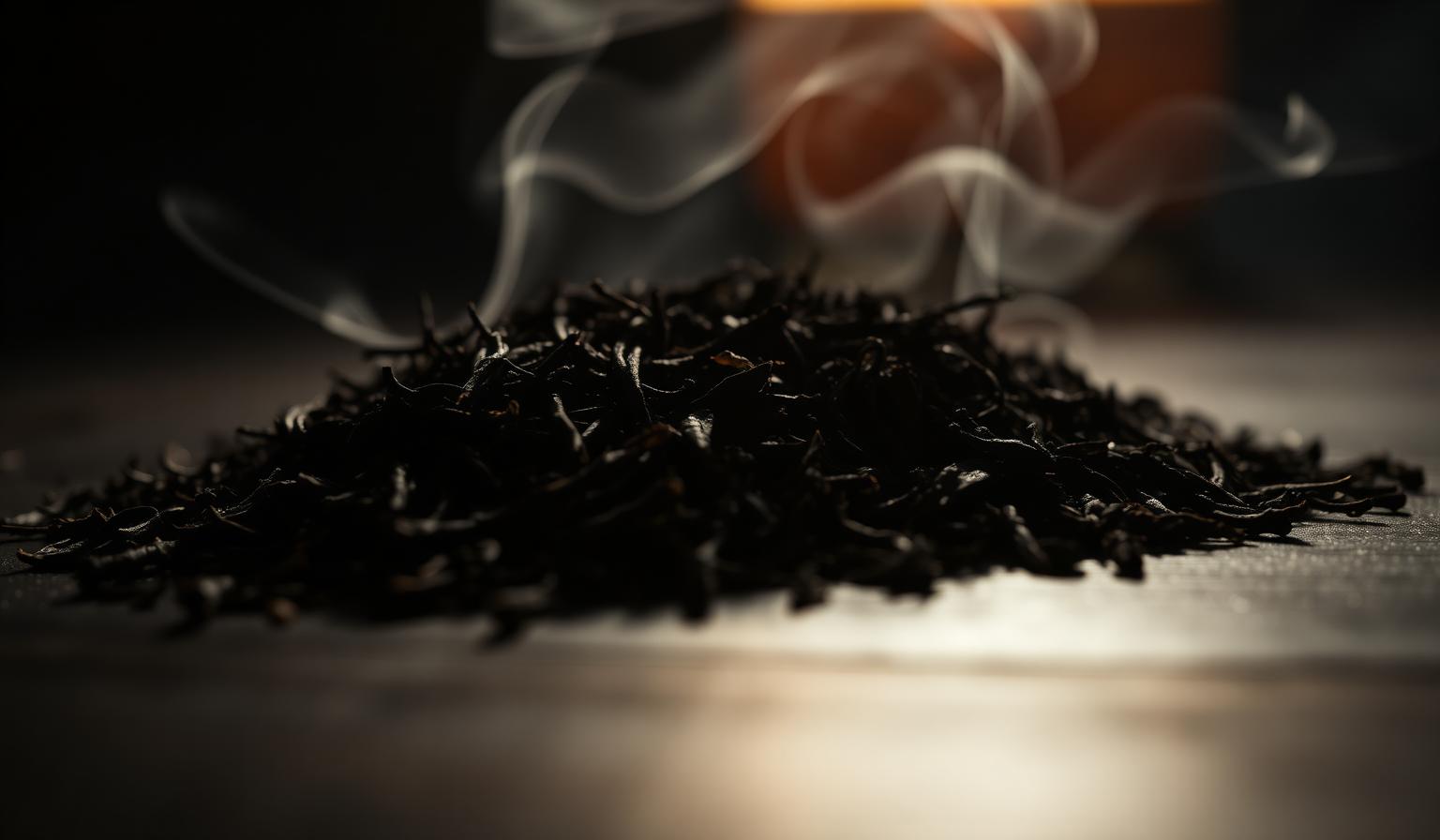
Look for visible, twisted, dark leaves you can pick up between your fingers. Dust and fannings extract fast and harshly. Whole leaves brew evenly and forgive a forgotten timer.
2. Naturally smoked over pinewood
The label should say 'naturally smoked' or 'pinewood smoked'. If it lists 'natural flavouring' or 'smoke flavour' in the ingredients, it has been sprayed with smoke essence after drying — a shortcut you can taste.
3. Origin clearly stated
Real Lapsang Souchong comes from the Wuyi Mountains of Fujian province, China — ideally Xingcun village or the surrounding Tongmu valley. A seller who knows their leaf will tell you exactly where it came from. Vague 'China origin' usually means a much larger, less careful supply chain.
4. Packed recently, sealed properly
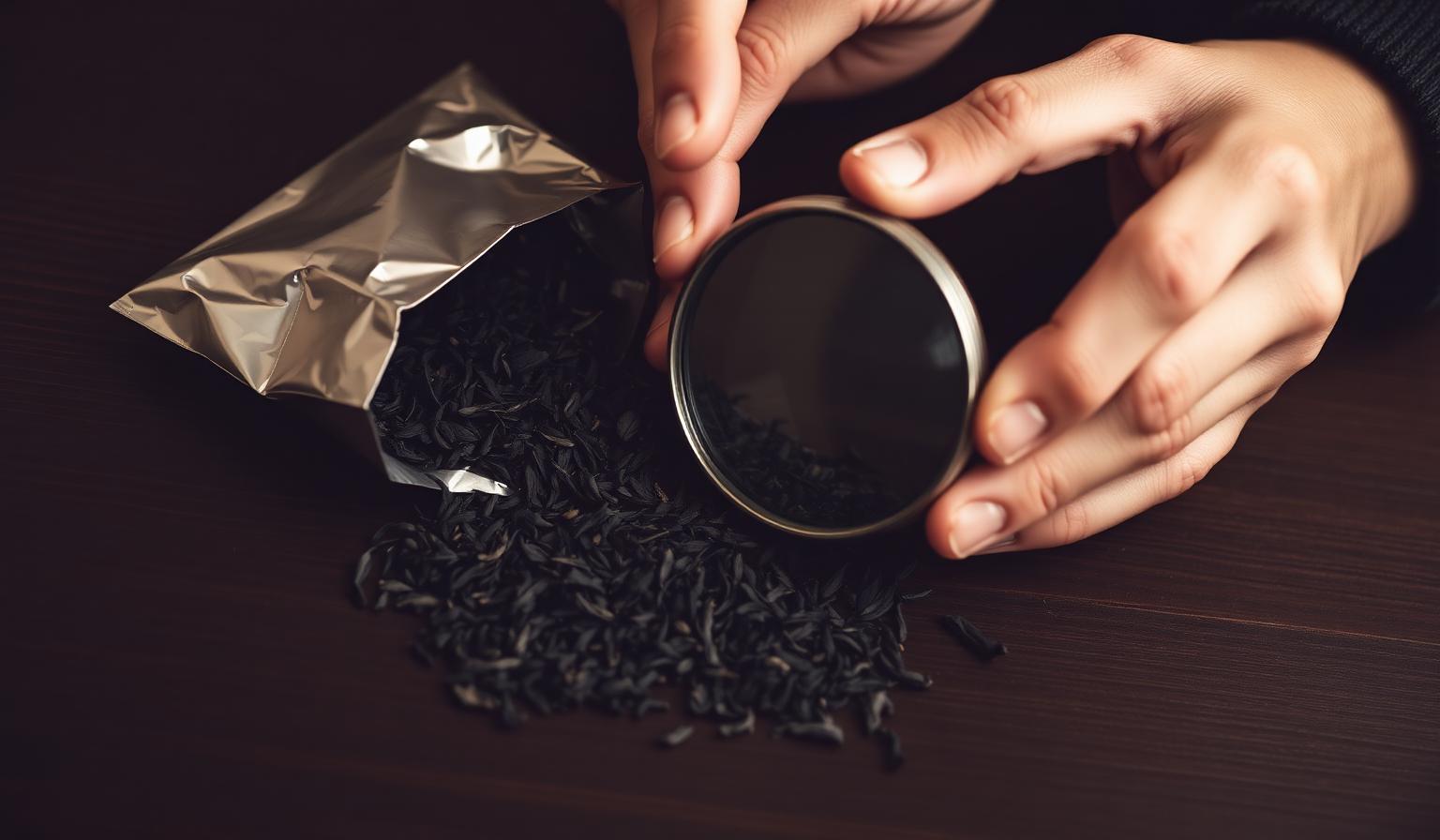
Smoke aroma is volatile. Look for resealable, foil-lined pouches, a visible packing or harvest date, and small-batch quantities. Tins are fine for storage but only if the tea was sealed fresh into the tin — not decanted from an open sack.
"If you can smell the smoke through the sealed pouch, you have probably found the real thing."