If you like one, you will probably enjoy the other — but they are not the same drink. Knowing the difference helps you pick the right one for the mood, the food, or the time of day.
Lapsang Souchong: a single-origin smoked tea
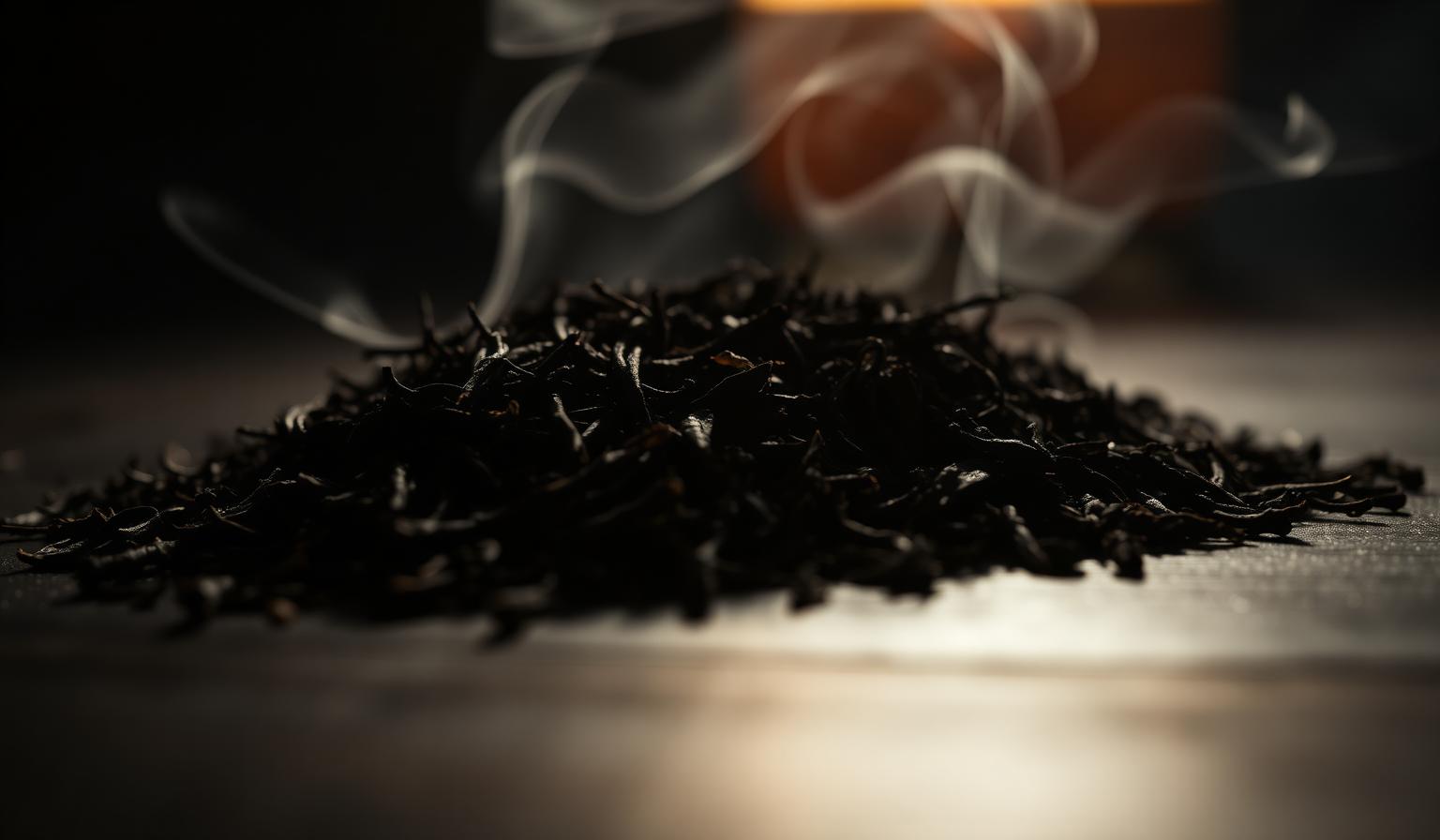
Lapsang Souchong is one tea from one place: the Wuyi Mountains of Fujian, China. The leaves are withered and dried directly over pinewood fires, picking up smoke during oxidation. It is bold, resinous, and unmistakable — a campfire in a cup. Brewed correctly, it is smooth and full-bodied with no bitterness.
Russian Caravan: a blend that tells a story
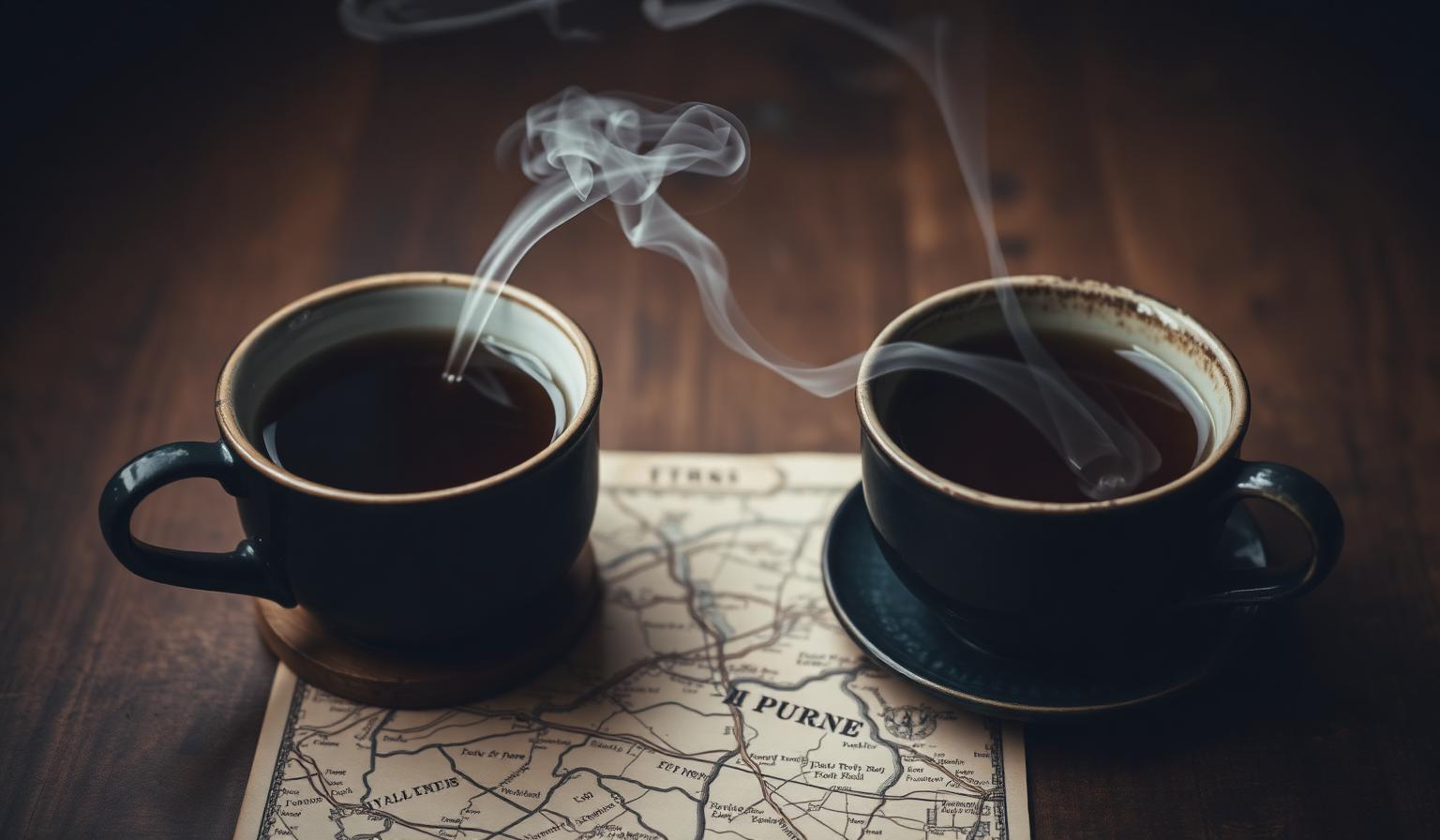
Russian Caravan is a blend, not a single tea. The recipe varies by blender, but a typical version combines Lapsang Souchong (for the smoke), Keemun (for the wine-like depth), and Assam (for malt and body). It is named for the centuries-old overland tea route from China to Russia — months on the road, campfires every night, and (so the story goes) tea that picked up a hint of smoke from the journey itself. The blend recreates that flavour deliberately.
How they actually taste, side by side
- Smoke level — Lapsang Souchong is louder. Russian Caravan is smokier than your usual breakfast tea but much softer than straight Lapsang.
- Body — Russian Caravan tends to feel fuller because of the Assam.
- Finish — Lapsang lingers with pine and resin. Russian Caravan finishes cleaner, with malt and a faint wine note.
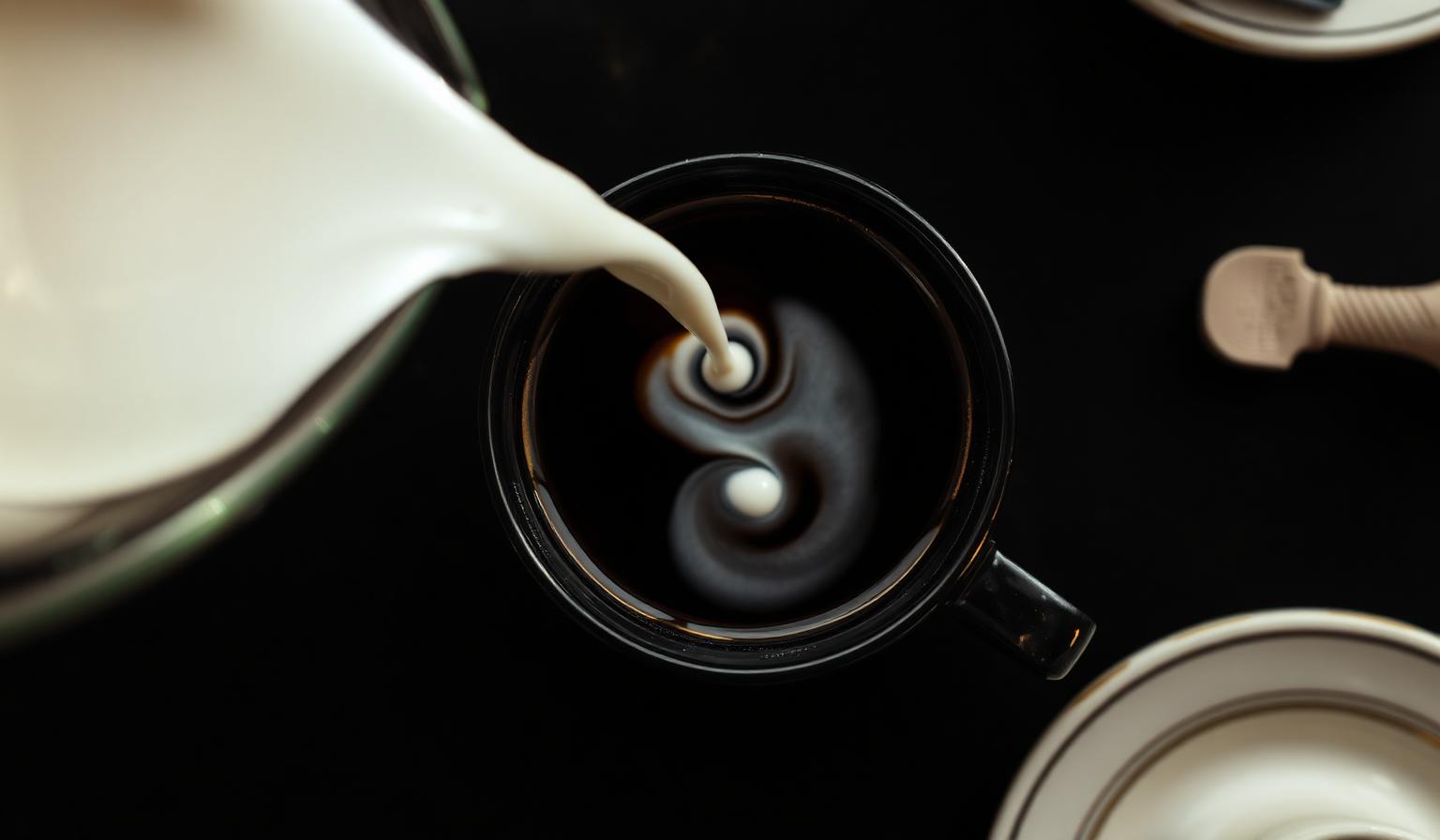
- Milk — Russian Caravan takes milk easily. Lapsang takes milk, but many drinkers prefer it black.
Which should you buy?
Start with Lapsang Souchong if you want the real, unfiltered campfire experience and you are happy to learn to brew it. Reach for Russian Caravan if you want something interesting for everyday drinking, the smoke turned down a notch, and a blend that takes milk without complaint. Many drinkers eventually keep both in the cupboard — one for the morning, one for the long, quiet evening.