Lapsang Souchong is widely regarded as the world's first black tea — the original fully oxidised leaf, the ancestor of everything from Assam to English breakfast. Its origin story is, depending who you ask, either a beautiful accident or a clever piece of marketing. The truth is a bit of both.
The legend
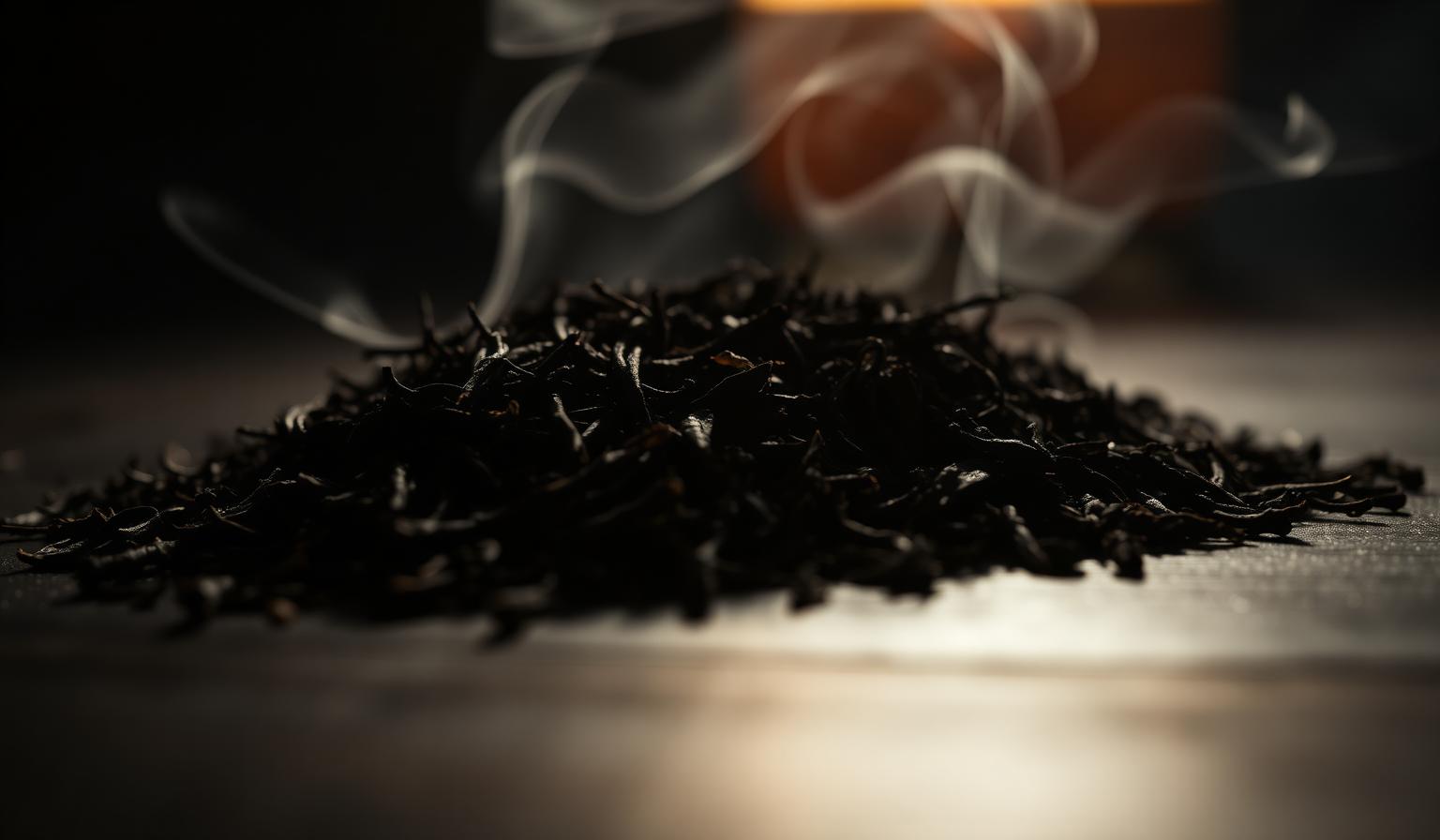
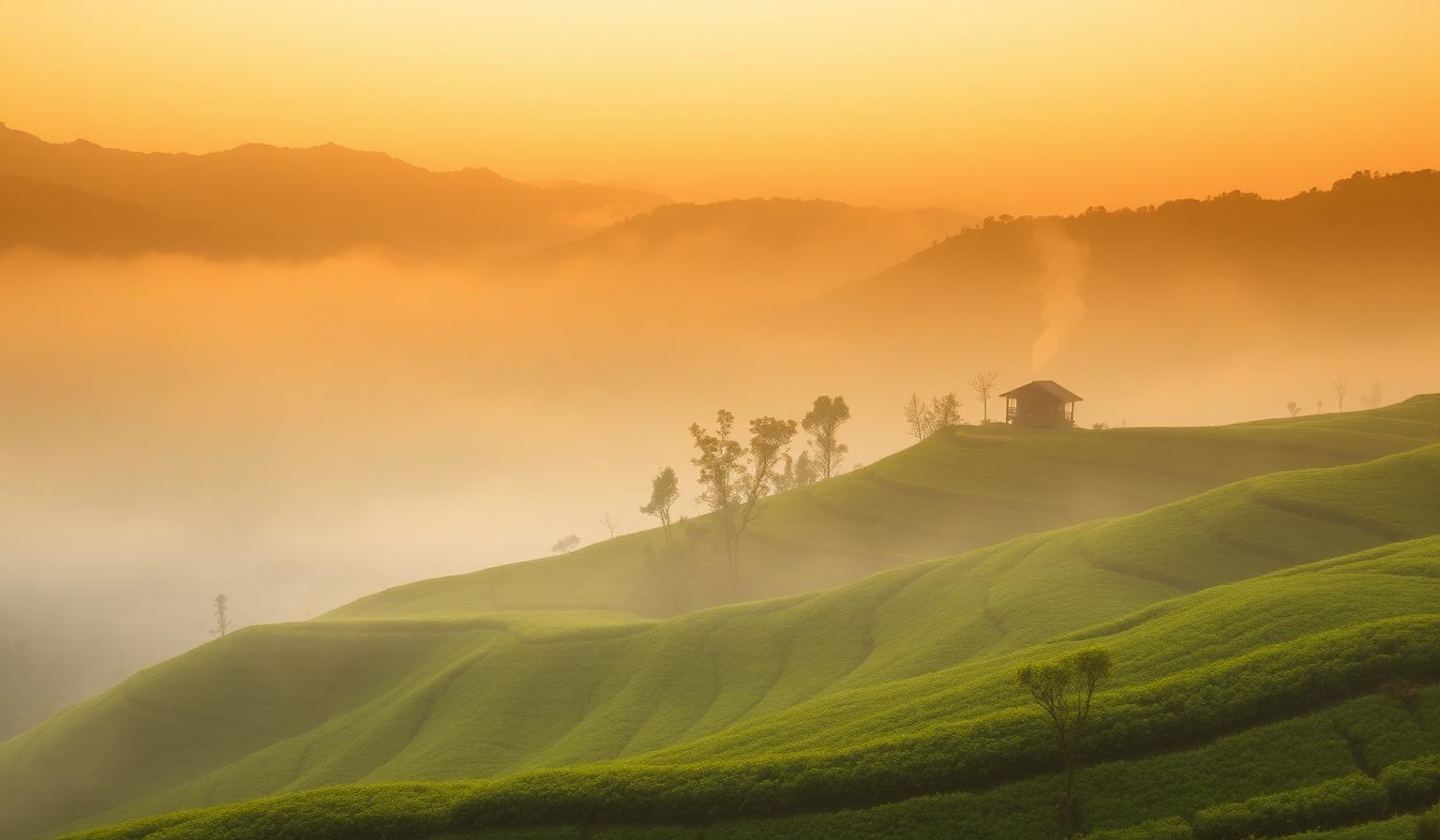
Sometime in the mid-1600s, during the late Ming or early Qing dynasty, an army passed through the Tongmu valley in the Wuyi Mountains of Fujian. They reportedly occupied a tea factory mid-harvest, leaving the freshly picked leaves to wither in piles for days. By the time the soldiers moved on, the leaves had fully oxidised — turning from green to dark brown. To salvage the crop and dry it quickly before market day, the farmers built fires of local pinewood and dried the leaves directly above the smoke.
The result was meant to be unsellable. Instead, Dutch traders on the coast bought the entire batch, paid a premium, and came back asking for more. Black tea — and Lapsang Souchong specifically — was on its way to becoming a global commodity.
What is actually true
The Tongmu valley is, demonstrably, the birthplace of fully oxidised tea. Genetic and historical records back this up. The exact 'soldiers in the factory' story is folklore — repeated for centuries but impossible to verify. What is certain is that by the late 1600s, smoked black tea from Fujian was being shipped to Europe in serious volume, and by the 1700s it was a fixture in English households.
Why it still matters
Today, real Lapsang Souchong is still produced in the same valley, by families who can trace their craft back several generations. The pinewood smoking sheds, the bamboo trays, the slow withering — it has barely changed. When you drink a properly made cup, you are drinking the same tea Samuel Pepys wrote about, the same tea that filled the holds of East India Company ships. Few drinks carry that much history in the cup.